Spray dryers and freeze dryers are both widely used for drying liquid or heat-sensitive materials, but their working principles and final results are completely different. Understanding these differences helps you choose the right technology for your production needs.
Spray Dryer:
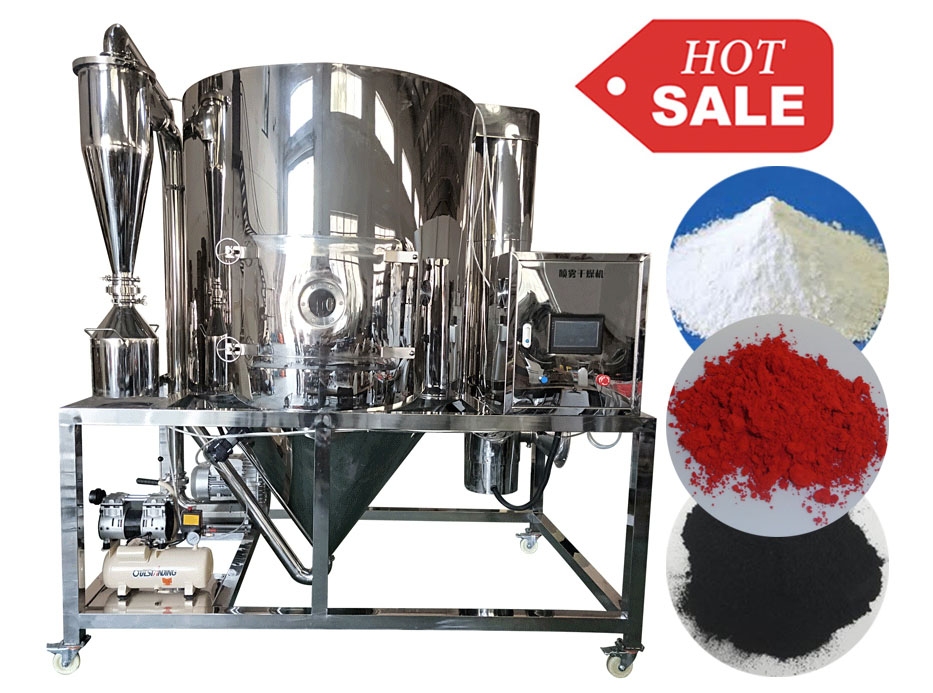
The liquid is atomized into fine droplets and quickly exposed to hot air. Moisture evaporates in seconds, turning the feed into dry powder.
Freeze Dryer:
The product is first frozen, then dried under vacuum. Ice sublimates directly into vapor without melting, keeping the material at very low temperatures.
Spray Drying Effect:
Produces fine, uniform powders with good fluidity. Suitable for large-scale production where speed and consistency matter.

Freeze Drying Effect:
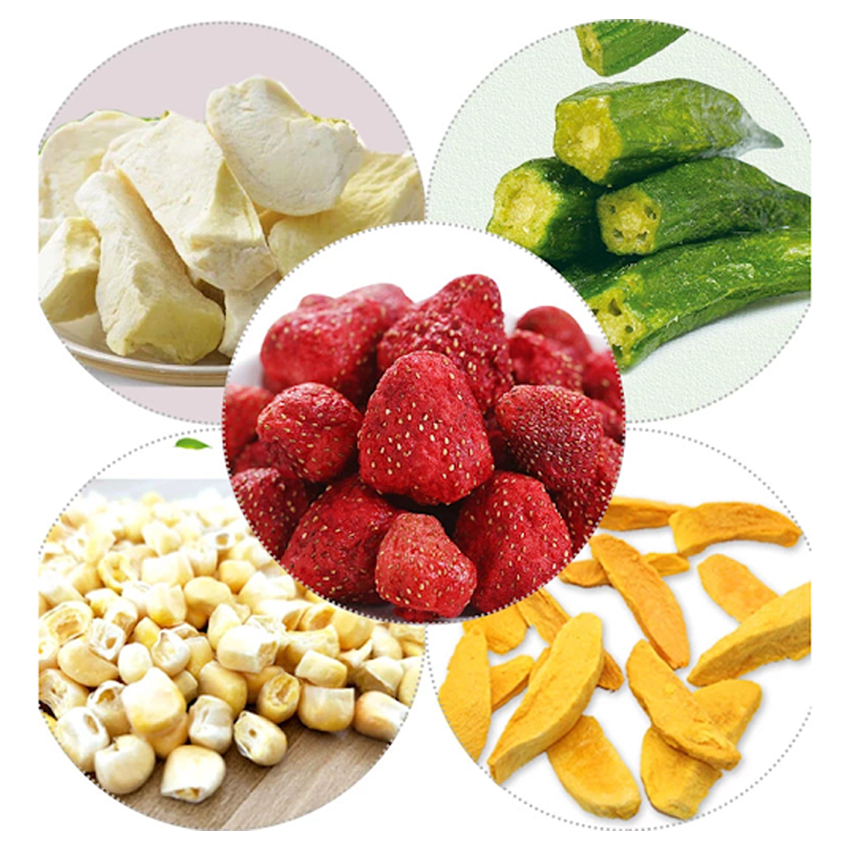
Keeps the original structure, nutrients, and bioactivity almost fully intact. The output is porous, lightweight, and highly stable.
Spray Dryer:
Ideal for food ingredients, plant extracts, dairy products, ceramics, and general industrial materials. Best choice for high-volume, cost-efficient manufacturing.
Freeze Dryer:
Preferred for pharmaceuticals, probiotics, premium botanical extracts, and biological materials that cannot tolerate heat.
If you need fast, economical powder production, choose a spray dryer.
If you need maximum preservation and gentle processing, choose a freeze dryer.


Email : Jack@ollital.com
Skype : skype
Tel : +86 15960821529
Whatsapp : +8615960821529
Add : No. 39, Xinchang Road, Haicang Dist., Xiamen, Fujian, China (Mainland)