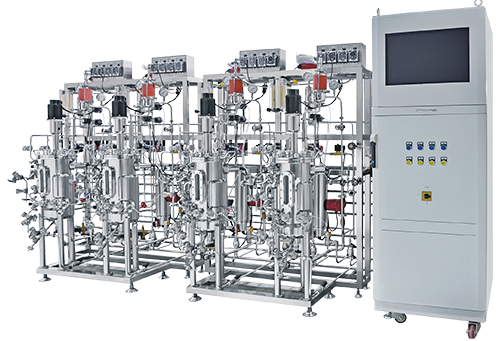
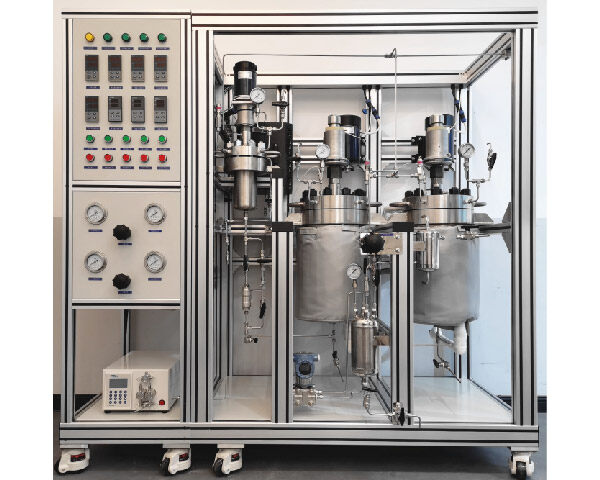
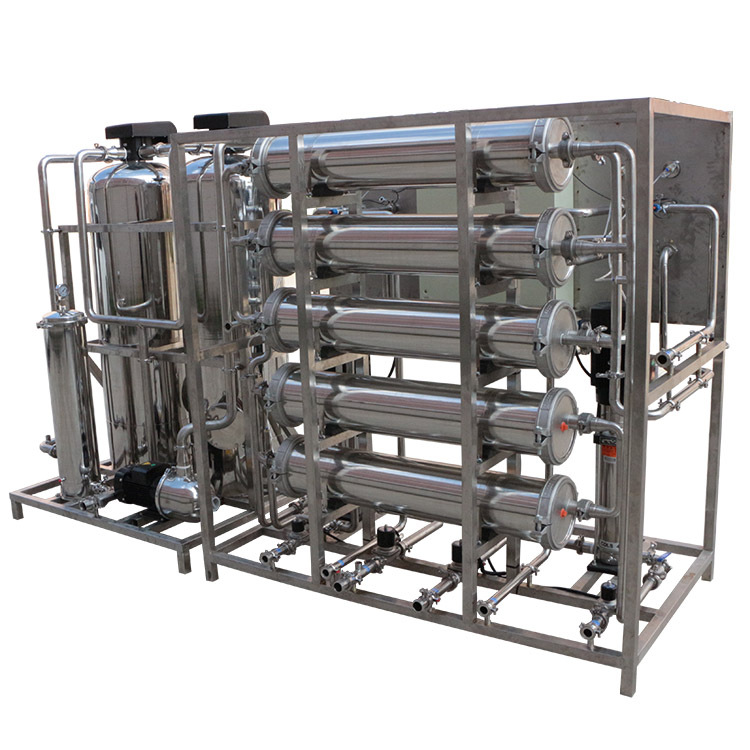
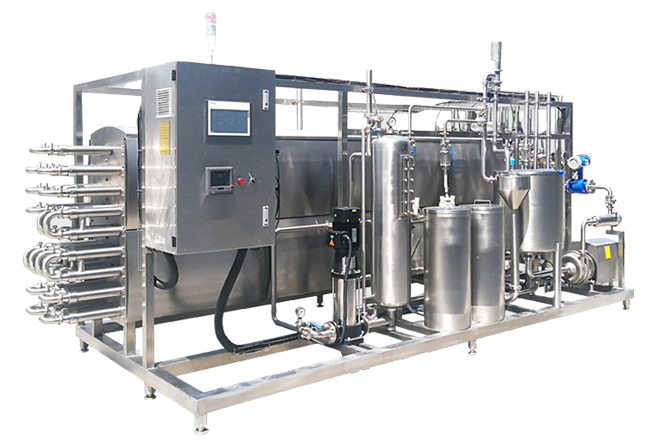
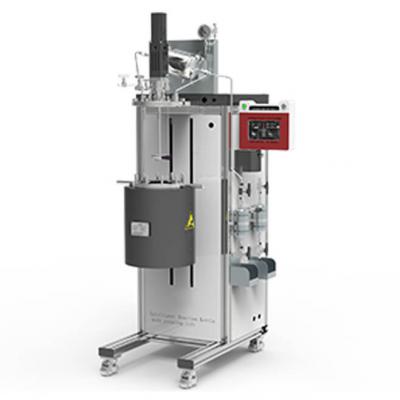
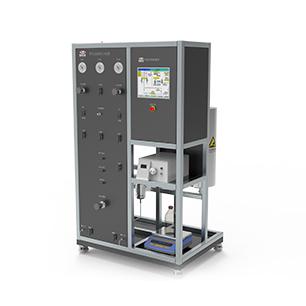
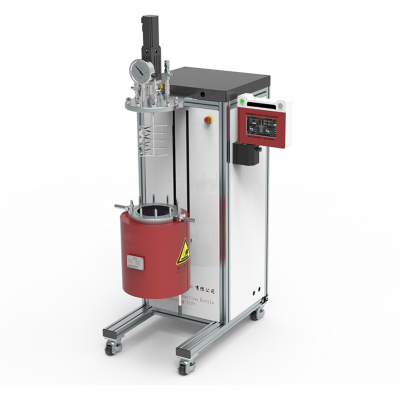
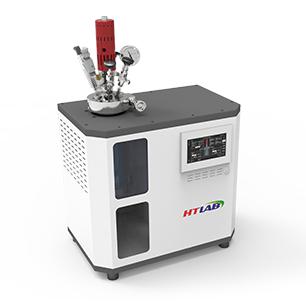
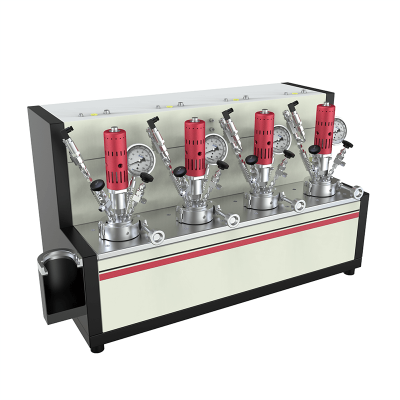
In traditional chemical reactions, heating, stirring, and extending reaction time are often the main methods to improve reaction efficiency. However, with the development of fine chemicals, new materials, and advanced biotechnology, more and more processes are pursuing higher efficiency, lower energy consumption, and more controllable reaction processes. Ultrasonic reactors are new types of reaction devices that integrate ultrasonic technology into traditional reactors. They introduce high-frequency sound waves into the reaction system through an ultrasonic generator, inducing cavitation effects, microjets, and intense disturbances in the liquid medium, thereby achieving highly efficient enhancement of the chemical reaction process.
The working principle of an ultrasonic reactor is as follows: When ultrasound propagates in a liquid, it generates a large number of tiny bubbles. These bubbles form, grow, and burst rapidly in an instant—a process known as cavitation. Cavitation brings three main benefits: localized high temperature and pressure, intense micro-mixing, and surface activation. Ultrasonic reactors increase the reaction rate, conversion rate, and recovery rate of materials. They also offer advantages such as reduced reaction condition requirements and enhanced dispersion and emulsification effects. They are particularly suitable for nanomaterial preparation, emulsion systems, and solid-liquid reactions.It is widely used in fine chemicals such as organic synthesis and catalytic reactions, new materials such as nanomaterials and functional materials preparation, as well as battery materials and catalytic materials in the new energy field.
As chemical processes develop towards higher efficiency, greener practices, and greater intelligence, ultrasonic reactors are moving from the laboratory to the forefront of industrialization, becoming an important supplement and upgrade path for traditional reaction technologies.It not only advances chemical reactions from the macroscopic scale to the molecular scale through unique mechanisms such as cavitation effect and microjets, but also expands the application boundaries of reaction vessels, breaks through the physical limitations of traditional equipment in mixing, mass transfer and reaction selectivity, and provides new solutions and process possibilities for many processes that have long been regarded as "difficult to react" or "slow to react" due to slow kinetics, hindered mass transfer or harsh conditions. It is driving the systematic evolution of chemical production towards a more energy-efficient, cleaner and smarter direction.
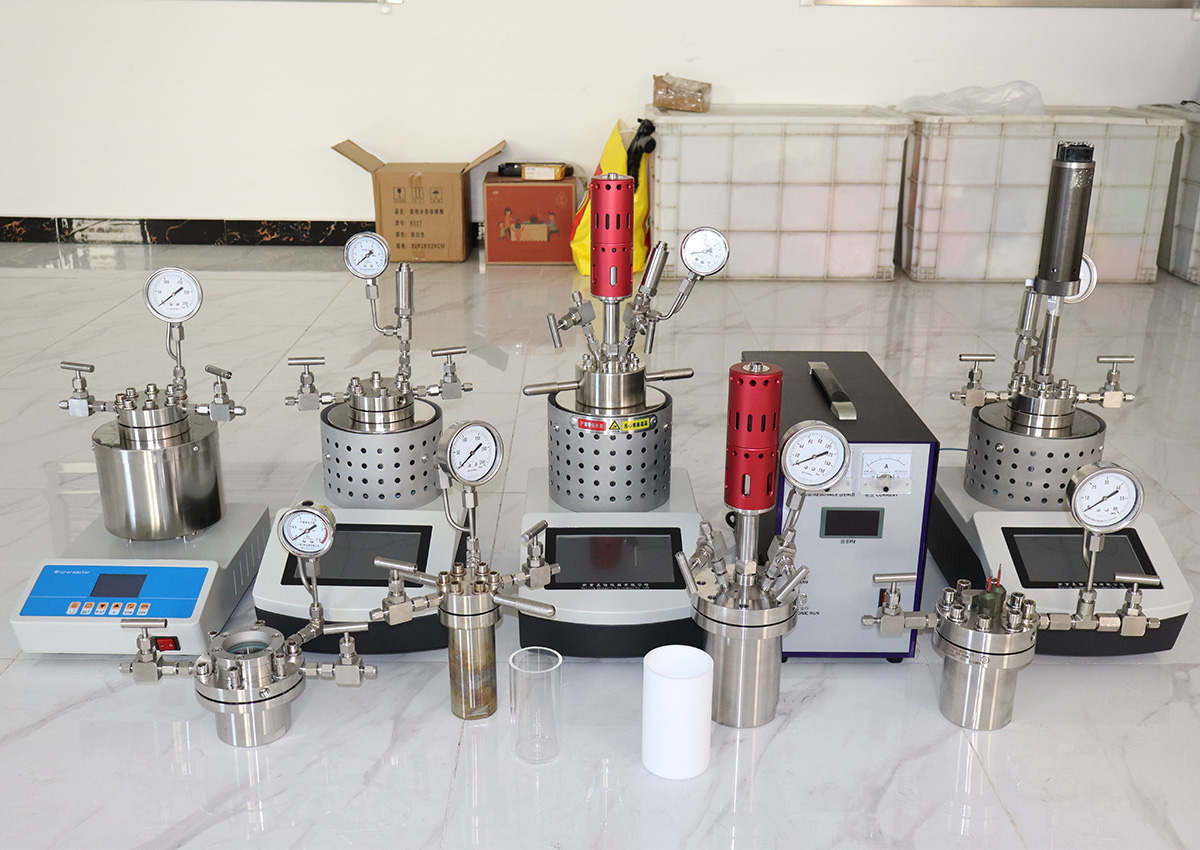

Email : Jack@ollital.com
Skype : skype
Tel : +86 15960821529
Whatsapp : +8615960821529
Add : No. 39, Xinchang Road, Haicang Dist., Xiamen, Fujian, China (Mainland)